
 54 Hope St, Brunswick VIC 3056
 0406 154 886
 Email Us

“a good kombucha should wake up your taste buds, not coat them. Summer’s the best time for that”
Deano – The Good Brew Company
A new kind of cold one
Across beaches, festivals and backyard barbecues, the shift is obvious. Australians are drinking less alcohol and seeking out alternatives that still feel social. Data from market researchers IWSR shows the non-alcoholic category in Australia grew more than 15 per cent last year, with kombucha sitting comfortably among the top performers.
Its appeal is simple: it’s light, fermented, and naturally carbonated. The fizz feels familiar, the sweetness is gentle, and the tang refreshes without leaving you thirsty. It’s the drink that sits happily between soda and seltzer — cold, crisp, and surprisingly complex.
Made for warm weather
Kombucha’s chemistry suits the heat. Fermentation creates a clean acidity that makes it naturally thirst-quenching. The gentle carbonation lifts the flavour while keeping sugar content low. Most Australian kombucha contains less than three grams of sugar per 100 millilitres — far lower than soft drinks or even fruit juice.
The drink’s base ingredients are simple: tea, sugar and a SCOBY (symbiotic culture of bacteria and yeast). Once fermented, the result is a lightly sparkling drink that cools quickly and stays refreshing even after a few sips in the sun. It’s naturally shelf-stable until opened, making it practical for travel, camping and picnics.
Flavour and creativity
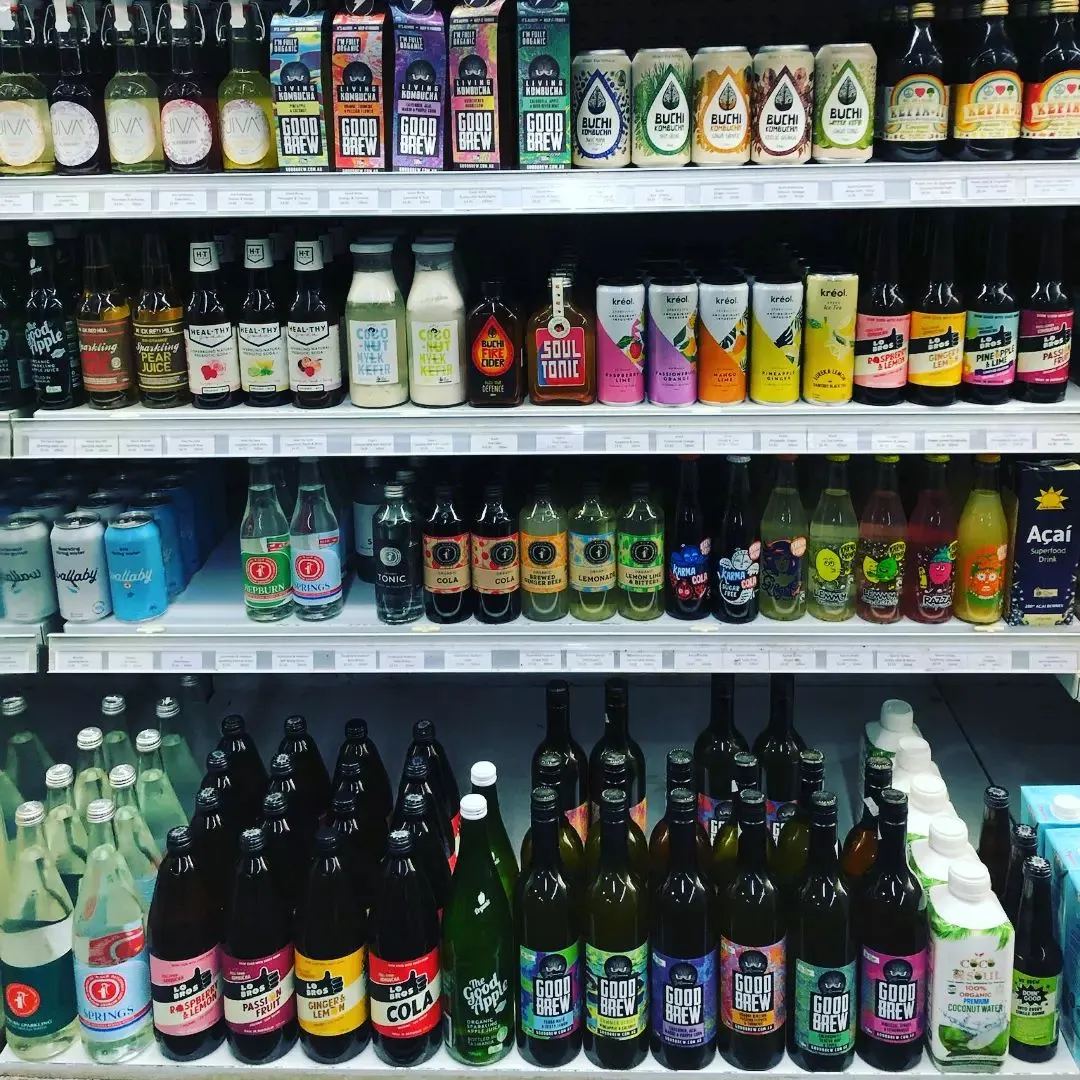
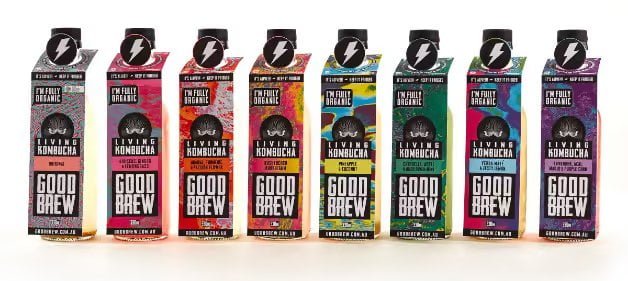
Summer is when Australian brewers show their imagination. Traditional ginger and lemon still sell, but tropical and native ingredients are gaining ground: finger lime, Davidson plum, mango, hibiscus, lemon myrtle. Each batch captures a bit of place and season and is something that sets small-batch producers apart from supermarket brands.
“People want something alive, not just something sweet,” says Good Brew founder Deano O’Callaghan. “A good kombucha should wake up your taste buds, not coat them. Summer’s the best time for that.”
The craft approach has given kombucha a complexity once reserved for wine or beer. Many brewers now experiment with dry hopping, herbs or even coffee to create flavour layers that match summer foods.


A social switch
Kombucha’s rise isn’t only about health. It’s also about belonging. At summer events, bottles of kombucha now sit beside beer and soda — a social equaliser for those avoiding alcohol or cutting sugar. It offers the ritual of drinking without the compromise.
In cafés and workplaces, taps and refill stations are becoming common. Kombucha fits modern Australian rhythms: grab-and-go mornings, outdoor lunches, sunset gatherings. It’s as comfortable at a barbecue as it is at a yoga studio.
How it stacks up: kombucha vs other summer drinks
| Drink | Sugar (per 100ml) | Alcohol | Sustainability | Summer Appeal |
|---|---|---|---|---|
| Kombucha | 2–3g | 0–0.5% | High — refillable bottles, low energy | Light, tart, refreshing |
| Soft drink | 10–12g | 0% | Low — single-use plastic | Sweet, heavy |
| Beer | ~3g (carbs) | 4–5% | Moderate | Cooling but dehydrating |
| Sparkling water | 0g | 0% | High | Neutral, no flavour |
| Iced tea (bottled) | 7–9g | 0% | Moderate | Sweet, limited variety |
Cooling with a conscience
Sustainability adds another layer to its appeal. Compared with soft drink production, kombucha’s environmental footprint is smaller. The fermentation process uses minimal energy, and local brands like Good Brew operate in refillable glass bottles and community-scale systems.
Many small breweries reuse ingredients, feed spent tea leaves to compost, and offer keg fills instead of single-use packaging. For eco-conscious consumers, that’s a clear advantage — particularly in a country where recycling systems are under strain.
Why it matters:
Less packaging waste through refill programs
Local production reduces transport emissions
Reused ingredients return nutrients to soil
Health without the hype
Kombucha’s reputation as a gut-friendly drink continues to attract attention, but modern brewers are careful not to make bold medical claims. Instead, they focus on freshness and fermentation.
Unpasteurised kombucha contains living cultures that can contribute to microbial diversity in the gut, though not all commercial varieties retain that vitality. “Alive” and “raw” matter more than “organic” or “low-sugar” on the label.
For many drinkers, though, it’s simply a clean, flavourful way to stay hydrated through summer — no detox promises needed.
Serving it right
Kombucha tastes best chilled, poured into a glass rather than straight from the bottle. The carbonation and acidity shine when cold, and the aroma opens up slightly as it warms.
Perfect summer pairings
Salads and fresh greens: Light citrus blends add brightness
Serving tips:
A drink that fits the moment
Whether it’s the flavour, the fizz or the feeling of doing something good for your body and the planet, kombucha has earned its place in the Australian summer. It doesn’t replace everything else in the fridge, but it fills a gap — something refreshing, low in sugar and full of character.
As the heat rises and the esky fills, a bottle of kombucha belongs right there next to the mineral water and the beer. Cold, local and alive — it might just be the drink that defines the new Australian summer.