
 54 Hope St, Brunswick VIC 3056
 0406 154 886
 Email Us


Brewing with restraint
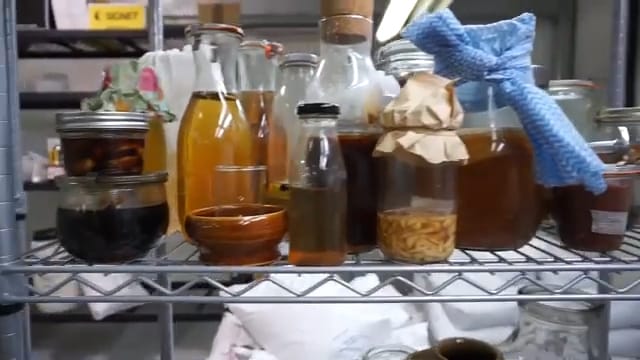
At its core, kombucha relies on four ingredients: tea, water, sugar and a SCOBY (symbiotic culture of bacteria and yeast). While traditional methods use natural fermentation for carbonation, large-scale commercial production often involves filtration and force-carbonation to ensure consistency and stability in transport.
This processing is generally less intensive than the manufacture of high-fructose soft drinks, yet it is not without energy costs. Fermentation requires temperature control over weeks rather than the rapid mixing typical of conventional sodas.
Big business in small bottles
The Australian kombucha sector has grown rapidly since 2015 and is now valued at more than $200 million annually, according to IBISWorld (2024). What began as a cottage industry has drawn investment from both local and global beverage companies.
This consolidation brings logistical efficiency and wider access but complicates the sustainability narrative. National distribution networks can reduce per-litre emissions through scale, yet they also shift production away from local, small-batch operations that minimise freight and packaging waste.
Independent brewers still play a role. Many continue to sell raw, unpasteurised kombucha directly to consumers through refill stations or local cafés. These smaller producers remain important for those seeking kombucha that retains live cultures and a short supply chain.
How kombucha compares with other popular drinks
| Drink | Sugar (per 100 ml) | Energy input (relative) | Packaging waste | Local production potential |
|---|---|---|---|---|
| Kombucha | 2–3 g | Low to Medium | Low (refillable glass possible) | High |
| Soft drink | 9–12 g | High | High (single-use plastic) | Low |
| Fruit juice | 8–10 g | Medium | Moderate | Medium |
| Bottled water | 0 g | Medium | High | High |
| Beer | 3–4 g (as carbs) | High | Moderate | High (local breweries) |
Sustainability through scale
Despite the entry of larger companies, much of Australia’s kombucha supply still comes from small and medium producers. This structure offers environmental advantages through local sourcing and shorter delivery distances.
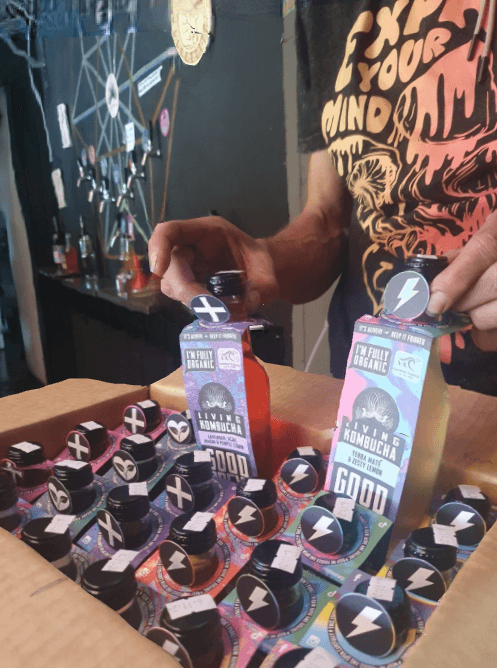
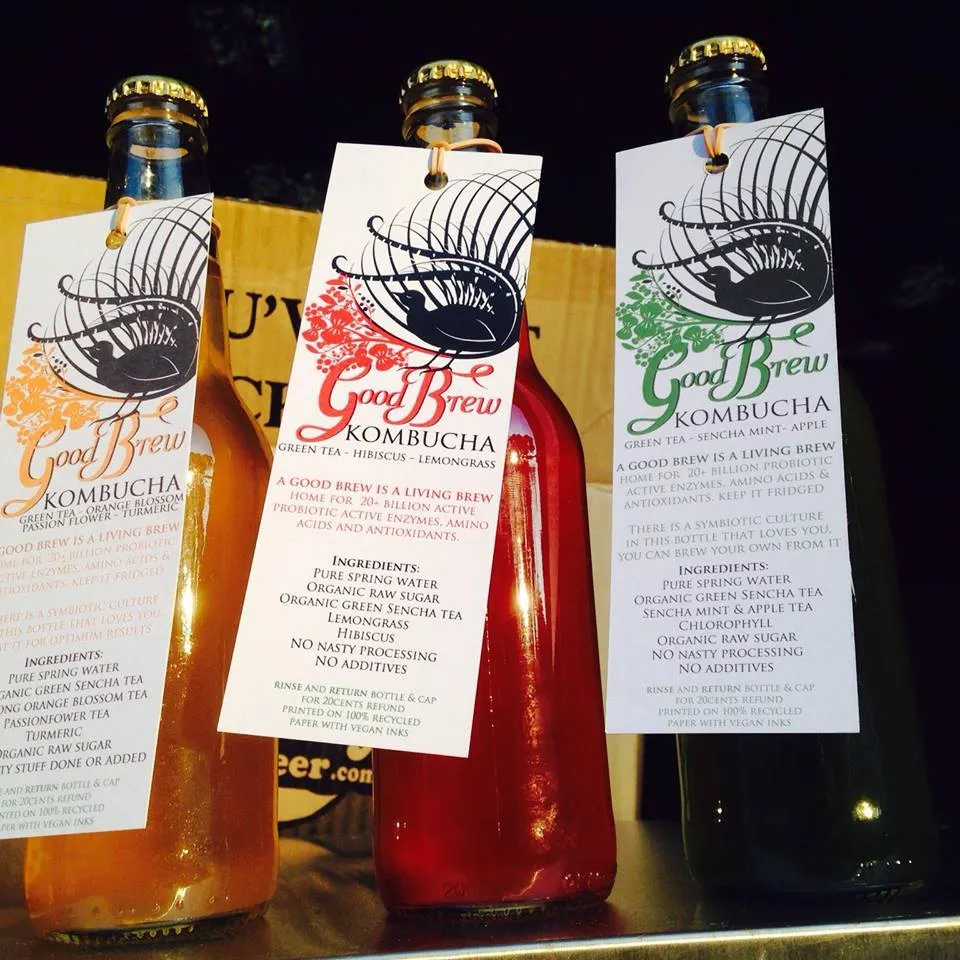
Reusable packaging: Many craft producers use glass bottles or keg refill systems.
Supporting local agriculture
While tea and cane sugar are imported for most Australian kombucha, flavour ingredients often come from local farms. Finger lime, Davidson plum, lemon myrtle and native botanicals are now common in craft brewing.
This sourcing connects kombucha to Australian agriculture and supports niche growers. It also reduces reliance on imported flavour concentrates and syrups used widely in conventional soft drinks.
A drink that reflects current dietary trends
Public health advice in Australia continues to encourage lower sugar intake and reduced consumption of processed beverages. Kombucha fits that direction without losing its appeal as a refreshing, social drink.
Key nutritional characteristics
When kombucha contributes to sustainability
| Factor | Contribution |
|---|---|
| Refillable bottles | Reduces packaging waste and recycling load |
| Small-batch brewing | Uses less energy and supports local suppliers |
| Minimal additives | Cuts chemical and industrial inputs |
| Compostable by-products | Keeps organic waste out of landfill |
| Local consumption | Reduces freight emissions and supports small producers |
The evidence base
Scientific reviews from the CSIRO and RMIT have identified kombucha as a potential source of organic acids and antioxidants, but they also caution against overstating its health impact. Kombucha’s benefits are modest but measurable when consumed as part of a balanced diet.
From an environmental perspective, the few lifecycle analyses available show that fermentation-based drinks have lower greenhouse gas intensity per litre than pasteurised juices or soft drinks, largely because they need less heat treatment and packaging material.
A drink suited to the moment
Kombucha has evolved from a niche health product into a reflection of how Australians want to live and consume. It is local, lightly processed and adaptable. For people looking to reduce sugar and waste without sacrificing taste, it offers a small but genuine improvement in how we drink.