
 54 Hope St, Brunswick VIC 3056
 0406 154 886
 Email Us

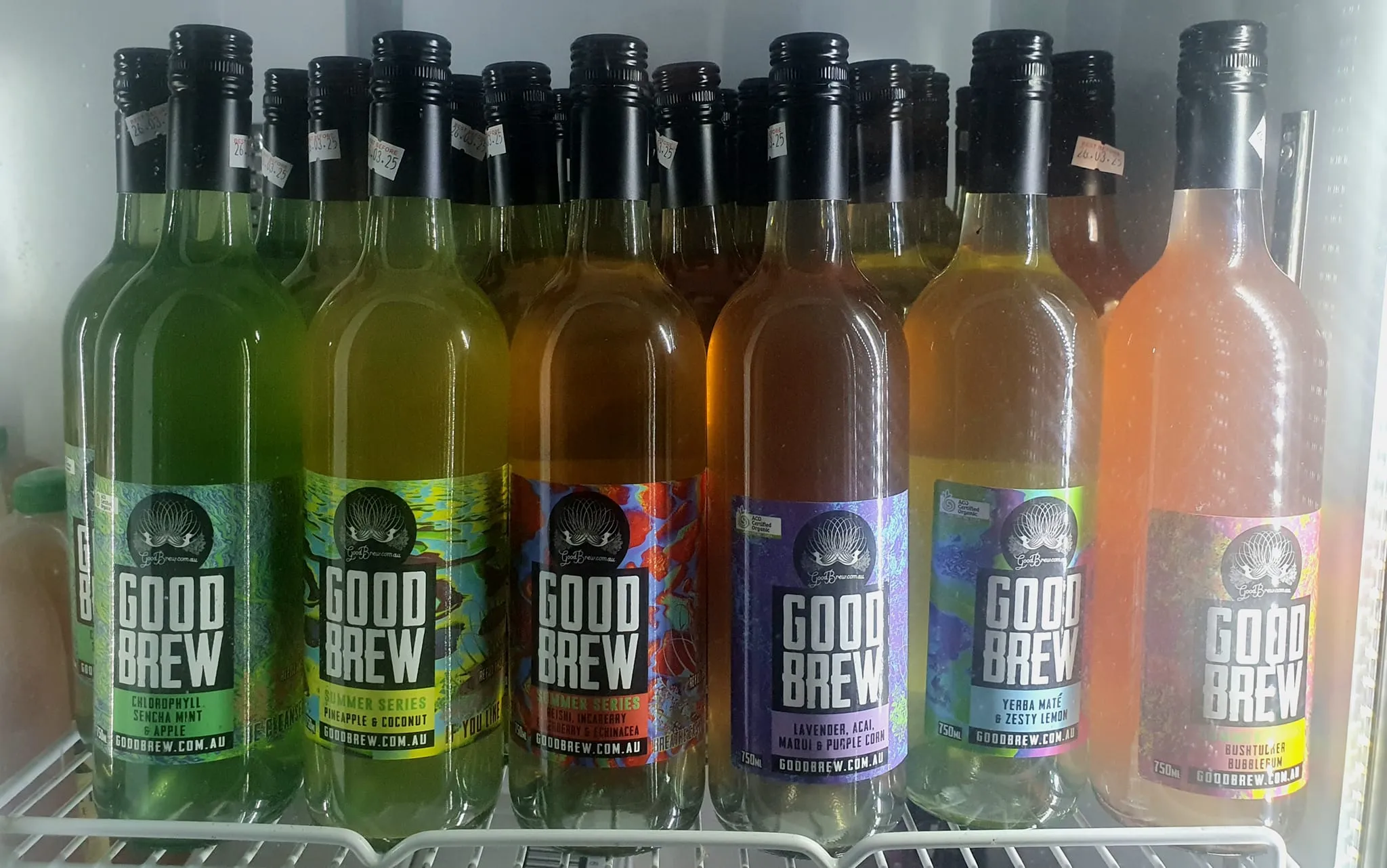
Kombucha is a fermented drink. In raw, unpasteurised form, the bacteria and yeasts remain active. Even in pasteurised or filtered kombucha, temperature still affects flavour and carbonation. Understanding how temperature shapes the drink helps explain what happens if a bottle sits out for an afternoon or a weekend.
Why temperature matters
Kombucha reacts to heat because fermentation responds to temperature. Warmer conditions speed up microbial activity. Cold slows it down. This is true whether a drink is naturally carbonated or uses added carbonation, and whether it is made by a small brewer or a national producer.
When kombucha warms up, several things begin to shift.
Carbonation increases
Live kombucha continues to produce gas in the bottle. Leaving it warm accelerates this. The result can be:
• higher pressure
• faster bubbles
• sharper or more forceful opening
• rare but possible overflow if a bottle has been shaken or warmed for long periods
Acidity rises
As the culture becomes active, acids increase. This can make the drink taste:
• more tart
• more vinegar-like
• less balanced
This does not mean it is unsafe, but the flavour moves away from what the brewer intended.
Sweetness drops
Even small amounts of residual sugar are consumed more quickly when warm. Drinks that start balanced may become noticeably drier.
Alcohol can rise slightly
Fermentation produces trace alcohol naturally. In warm conditions, this can increase. The amount is still low in most cases, but it is another reason cold storage is recommended.
How pasteurised kombucha behaves
Pasteurised kombucha has been heated to stop fermentation. It does not contain active cultures, but temperature still matters. Heat can:
- flatten carbonation
- dull flavours
- shorten shelf life
- increase the chance of spoilage if bottles are mishandled
These changes do not happen as quickly as with live kombucha, but they still occur.
Raw vs pasteurised: temperature effects
| Feature | Raw Kombucha | Pasteurised Kombucha |
|---|---|---|
| Culture activity | Continues if warm | Inactive |
| Carbonation | Increases when warm | Mostly stable |
| Flavour | Becomes more acidic | Can become dull |
| Storage | Always refrigerated | Refrigerated for quality |
| Sediment | Common | Rare |
| Batch variation | Expected | Minimal |
How long kombucha can be left out
Short periods at room temperature are usually fine. A few hours outside the fridge will not harm kombucha. Leaving it out for longer, however, leads to predictable changes.
After several hours:
• fizz increases
• flavour may sharpen
After a full day:
• acidity rises
• carbonation can build noticeably
After several days:
• sharp vinegar-like notes may appear
• pressure can build inside the bottle
• sweetness continues to fall in raw kombucha
Why brewers insist on refrigeration
Refrigeration protects:
• carbonation balance
• flavour accuracy
• intended acidity
• opening pressure
• shelf stability
For raw kombucha, cold storage also helps maintain low alcohol levels. For pasteurised kombucha, it preserves aroma and consistency.
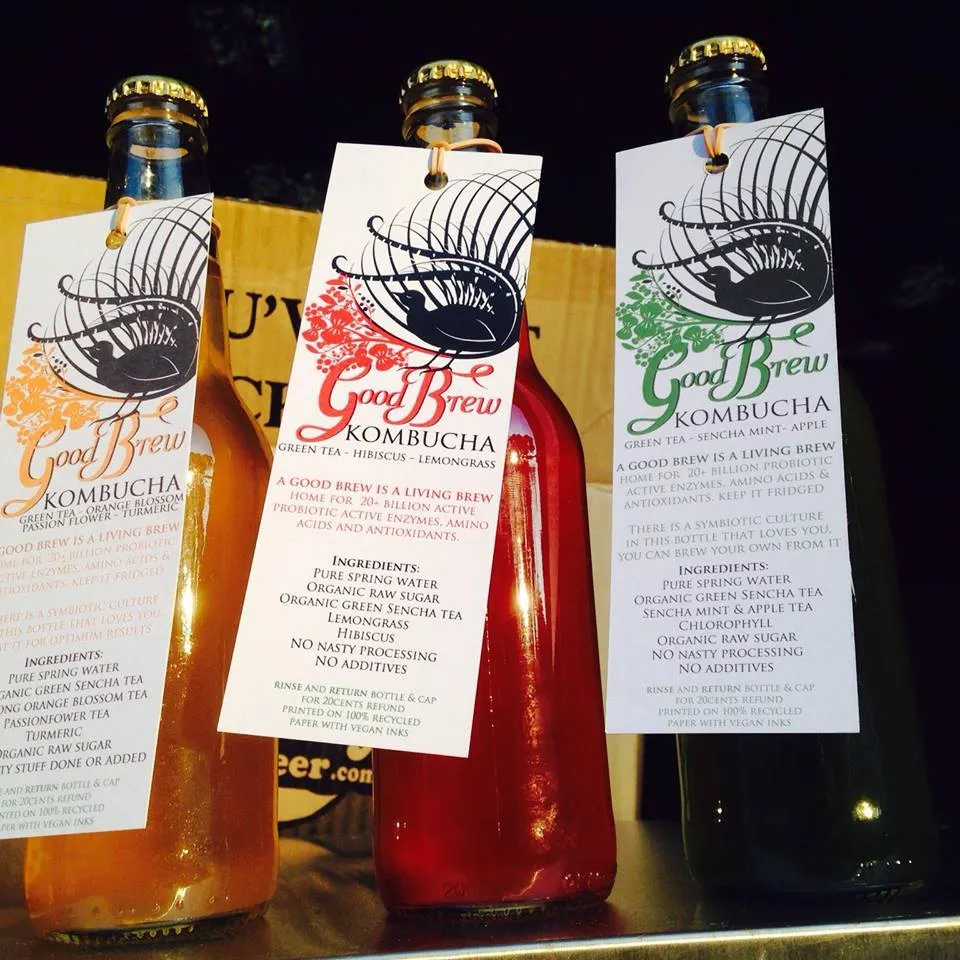
Good Brew produces a raw, unpasteurised kombucha, which means the culture remains active. Cold storage plays a central role in keeping the drink stable and predictable from the brewery to the glass.
How to think about kombucha and temperature
Kombucha belongs in the fridge because temperature has a direct influence on how it tastes and how it behaves. Warm conditions change carbonation, acidity and sweetness, and the drink can drift from the brewer’s intended profile. A bottle left out briefly is unlikely to be a problem, but longer periods make noticeable differences.
Keeping kombucha cold is not a formality. It is part of drinking it as it was meant to be enjoyed.