
 54 Hope St, Brunswick VIC 3056
 0406 154 886
 Email Us

Organic kombucha sold in Australia does not have to be certified. The Australian Competition and Consumer Commission (ACCC) is the regulator that polices misleading claims. It says organic certification is not legally required for a product supplied here to be described as organic. It also says a business making an organic claim must be able to prove it. What makes the word checkable is a certifier’s name and certificate number on the label, and the public register behind it.
So you are at the fridge door with two bottles, or reading a product page with the word organic in the first line. The question underneath it is a fair one. Does that word mean anything here, or is it decoration? It depends on what sits behind it, and you can find out in about a minute.
What organic means on a kombucha label
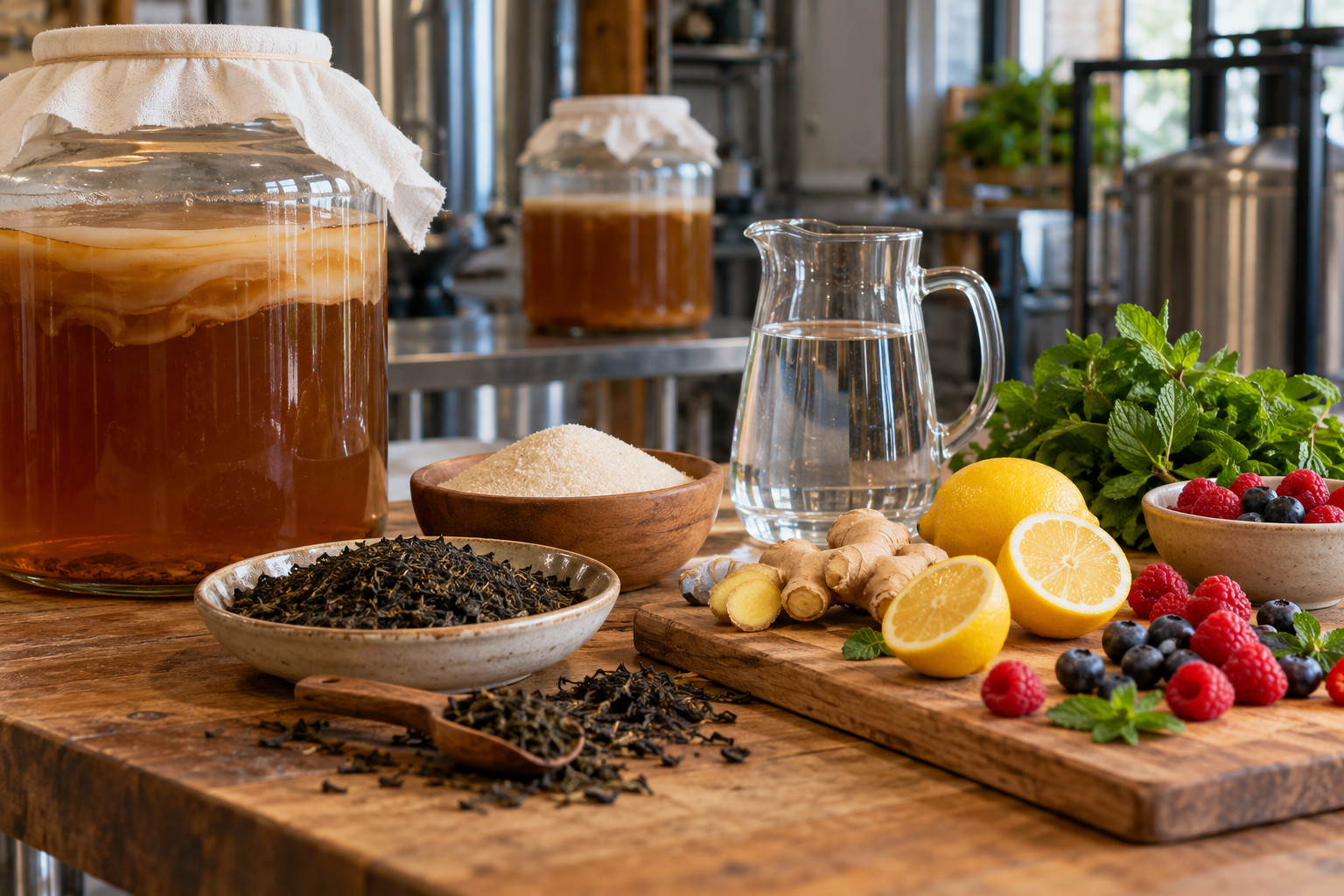
Organic is a claim about how an ingredient was grown and handled. It is not a claim about how the drink was brewed, or how it tastes.
Kombucha starts as three things: tea, sugar and water. Water is not farmed. So an organic claim says nothing about whether it came from a spring near Daylesford or a mains tap. That leaves the tea leaf and the sugar. Both are crops, and both are usually grown a long way from the brewery. Anything added after the ferment counts too. Fruit, herbs, spices and flowers are grown much as the tea is, so they sit inside the same claim.
So the word is doing a narrower job than it looks. A kombucha is mostly water by volume, and the claim rests on the two ingredients that came off a farm. There is a separate piece on how organic ingredients are grown and handled, and it follows them from the field to the bottle.
Is organic kombucha certified in Australia?

No law requires it. The ACCC says certification is not legally required for a product supplied in Australia to be described as organic. A kombucha made with uncertified ingredients can carry the word. It is not breaking a rule by doing so.
What a business cannot do is say it without being able to back it up. The ACCC’s position is that all organic claims should be able to be proved, whether or not they reference a standard.
That is a consumer law point rather than a food standard. The law that bites here is about not misleading people. It is not a recipe rule about what has to be in the bottle. There is no legal definition of organic kombucha in the way there are rules for a nutrition panel. There is a rule about telling the truth, and a regulator who can ask a business to show its working.
Our guide to the other words on a kombucha label stops at that point, and this is where it picks up. Organic looks like the most official word on the label, and no compulsory standard sits behind it.
Who certifies organic food in Australia?
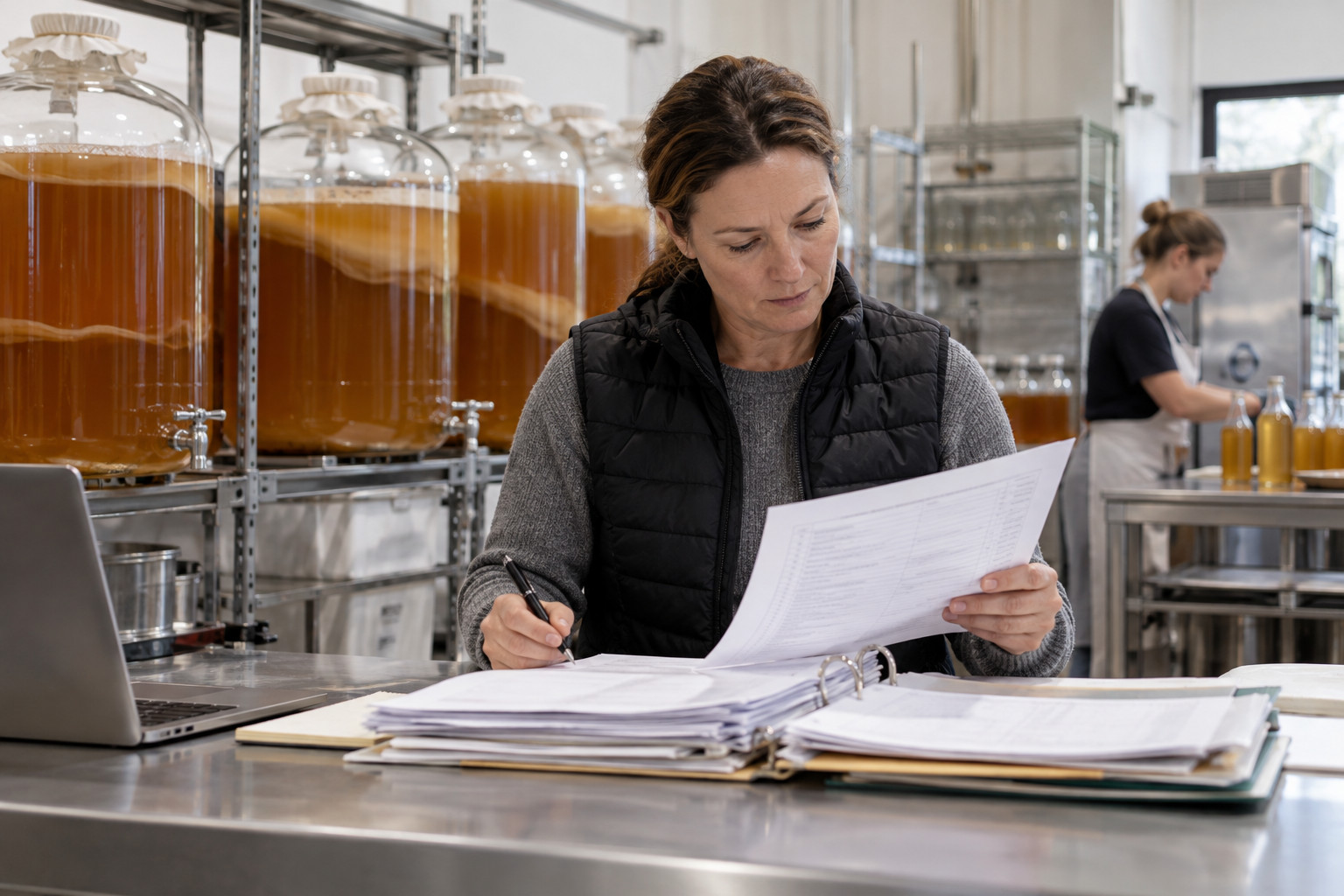
Certification is a private, voluntary audit. A certifying body is an independent organisation that inspects a business and checks its paperwork and its suppliers. It issues a certificate if the business meets a set of written rules. Those written rules are the standard.
The ACCC refers to various private certification bodies. It says the minimum standards required to get certification may vary between them. That part is worth holding on to. Two certified products have both been audited, but not always against an identical rule book.
There is an Australian standard for this, and the ACCC names it as AS 6000-2015. Meeting it is voluntary for anything sold here. The ACCC says businesses do not have to meet its requirements to label and sell their products as organic within Australia. A separate national standard applies to organic goods headed overseas. That is where the rules stop being optional.
The ACCC describes these bodies as private, so a certifier is not a government department. They are organisations that audit other businesses. The weight a mark carries therefore comes from the certifier’s own standard and its audit, not from a government stamp.
What happens when organic kombucha is exported
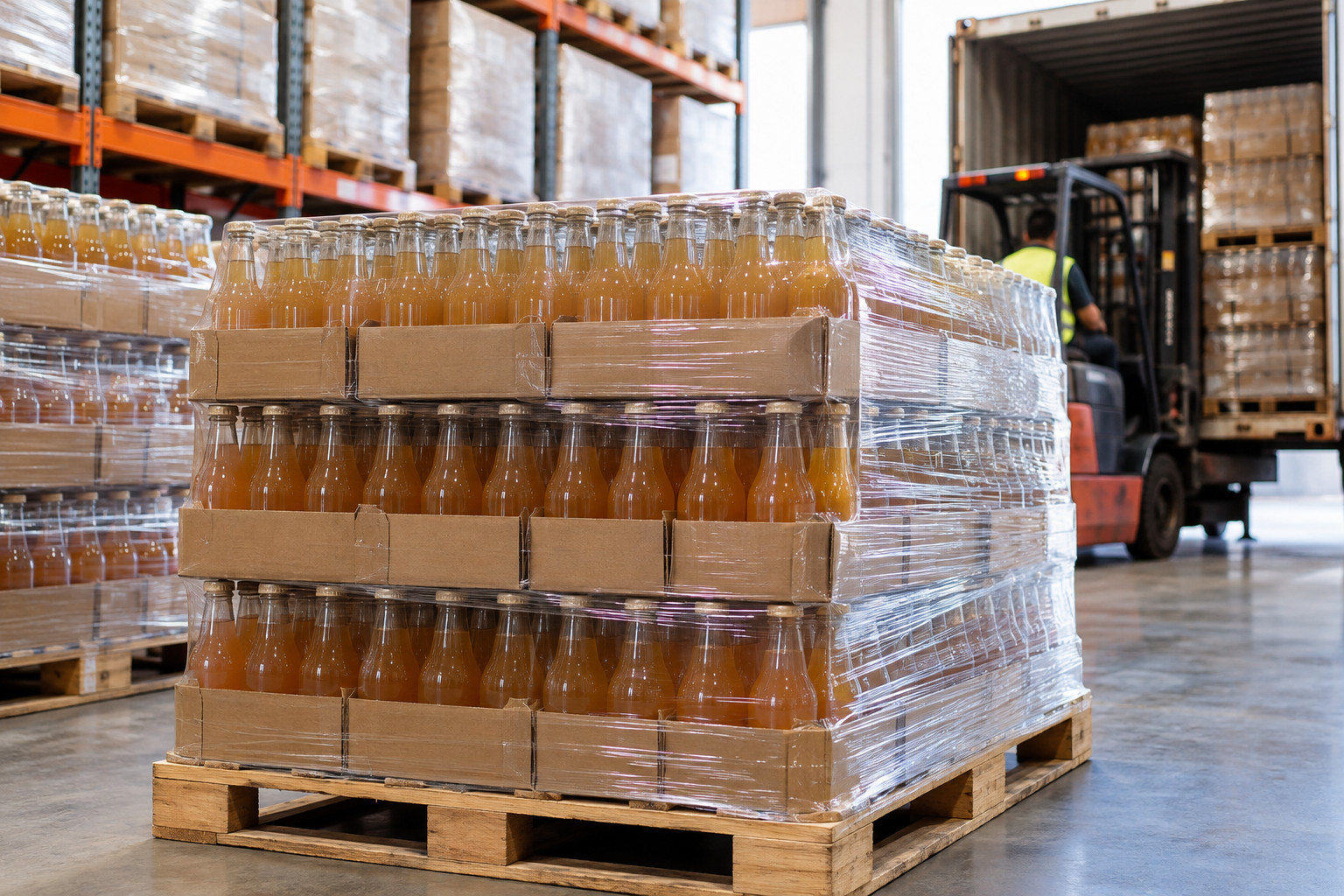
The rules change at the border. The Export Control (Organic Goods) Rules 2021 govern organic goods leaving the country, and they are not voluntary.
The Rules define organic goods by the description on the product rather than by what the product is. Goods are organic goods if they are described as, or described as including ingredients that are, organic, biodynamic, biological, ecological or any other similar description. So the claim is the trigger. A tea that says nothing sits outside the Rules. The same tea with the word organic on it sits inside them.
From there the Rules are blunt. Prescribed organic goods must not be exported from Australian territory unless the prescribed export conditions are complied with. An approved arrangement has to make sure the requirements of the National Organic Standard are met. That standard is the National Standard for Organic and Bio-Dynamic Produce.
These Rules cover export only. A bottle sold from a fridge in Melbourne is not covered by them. The same kombucha can therefore meet a compulsory standard on its way overseas and no standard at all on the shelf here.
How to check an organic claim on a bottle

Look for two things: a certifier’s name or mark, and a certificate number. A logo on its own is a picture. A number is a record, and records can be looked up.
A certifier’s register is where the number gets checked. ACO Certification runs a public product and operator search at aco.net.au. It carries tabs for products, crops, livestock and allowed inputs, and a Certified Operators tab. The page says that to search by certification you use that operator tab. Each record there shows the operator’s name, its certificate number and the certification services it holds. If a bottle names a certifier and a number, that is where the claim either holds up or does not.
It is worth being clear about what a mark proves, because the limits run both ways.
A producer with no certifier’s mark may still be buying organic tea and organic sugar. What is missing is not the ingredient. It is the audit. The claim then rests on the producer’s word rather than a third party’s file. And a mark tells you a business was inspected against a standard. It does not tell you the drink is better, fresher or healthier than the bottle beside it. Certification answers one question well and stays quiet on everything else. Our guide to what to check before you buy kombucha online covers the rest.
What an organic claim does not tell you
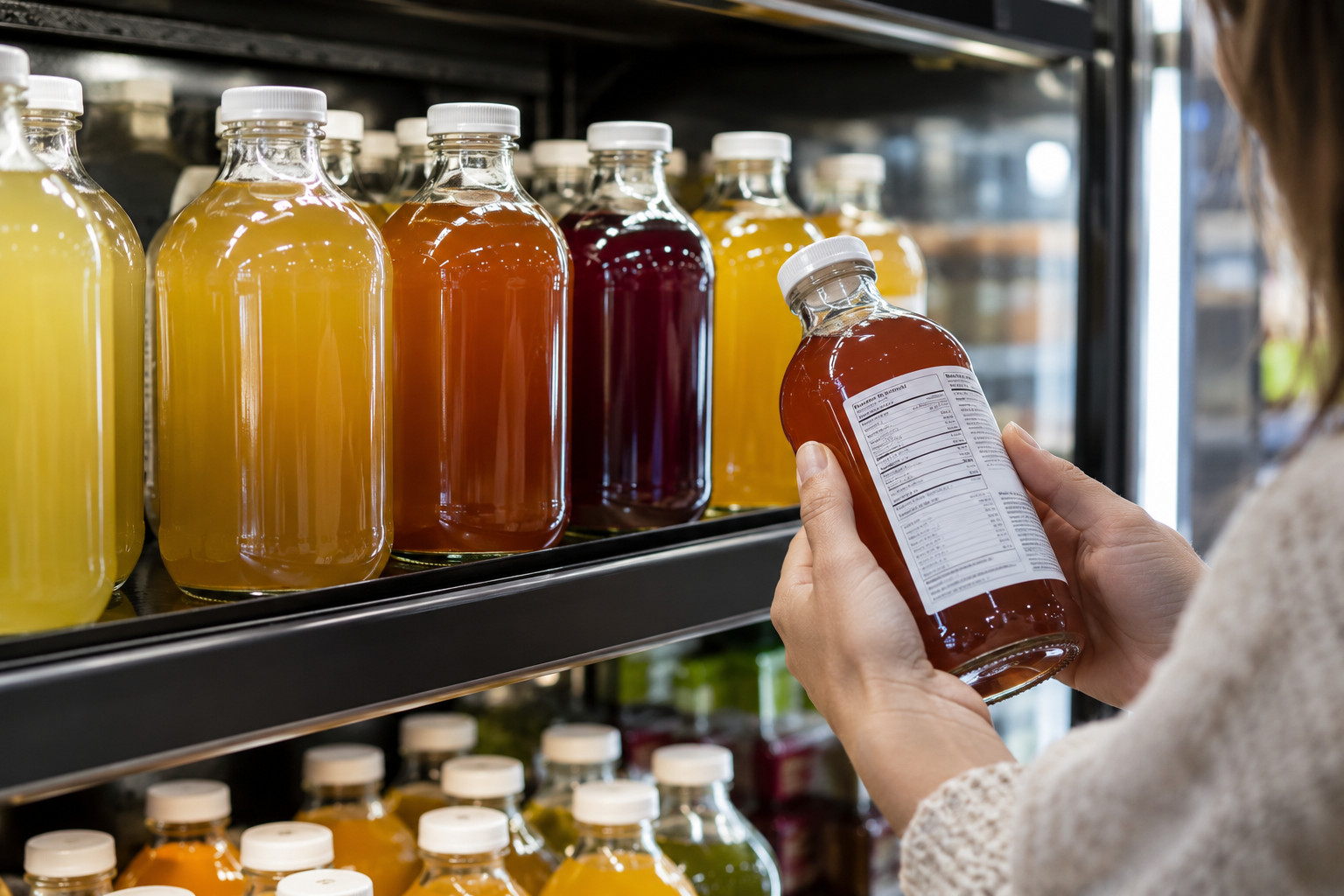
Organic is a narrow word doing a specific job. Four things sit outside it.
An organic claim does not tell you the kombucha is raw or unpasteurised, which is a separate question with its own answer.
Organic says nothing about whether the bottle needs to be kept cold. Whether kombucha has to stay in the fridge depends on how it was made, not on how the tea was grown.
An organic label carries no information about sugar. How kombucha compares with a sugary drink is read off the nutrition panel, not off the word organic.
A farming method is not a recipe, so organic tells you nothing about how the kombucha tastes.
The question worth putting to a producer is not “is this organic?” Ask “which certifier, and what is the number?” One is a word on a label. The other is something you can check in your own time. Those two questions work on any bottle, including the ones in the Good Brew kombucha range. Read the ferment and ingredient detail there first, then ask them of every brand in the fridge.
Frequently asked questions
Does organic kombucha have to be certified in Australia?
No. Certification is voluntary for anything sold here, so an uncertified kombucha can still be described as organic on its label. The business making the claim still has to be able to stand it up if asked.
What does a certification number on a label let me check?
It lets you find that business on the certifier’s own register and see what its certificate covers. That moves the claim from something printed on a bottle to something a third party has recorded.
Does organic mean the kombucha is raw or live?
No. They are separate things and a drink can be one without the other. Organic describes the growing of the ingredients, while raw describes what was or was not done to the finished drink.
Do the rules change when organic kombucha is sold overseas?
Yes. Goods that leave Australia described as organic have to meet the national export standard, and the description itself is what brings them under the export rules.
Are organic ingredients worth anything without a certificate?
They can be. Without one, nobody outside the business has audited the claim, so you are relying on the producer’s word instead of an auditor’s file. That is a difference in proof rather than proof of a difference.